
Dry Eye Treatment in Prescott | Forma-I & IPL
Premier Eye Center diagnoses and treats dry eye for patients throughout the Prescott area, from everyday irritation to stubborn chronic cases — including advanced in-office radiofrequency and IPL therapy that targets the underlying gland dysfunction most eye drops never touch. If your eyes burn, feel gritty, or water constantly, there’s a real reason for it, and there’s more that can be done about it than reaching for another bottle of artificial tears.
Without a stable tear film, symptoms like burning, itching, redness, and blurred vision follow. And here’s the part that confuses people: excessive watering is a dry eye symptom too. An irritated eye floods itself with reflex tears, but those watery tears lack the oil layer needed to actually stay put. Severe, untreated cases can eventually damage the surface of the eye itself.
Dry eye is remarkably common. An estimated 16 million-plus US adults have been diagnosed with dry eye disease, it becomes more common with age, and it affects women at roughly twice the rate of men.
Why Dry Eye Hits Hard in Prescott
Geography isn’t doing your tear film any favors here. Prescott sits at high elevation in a dry climate — low humidity most of the year, plenty of wind, and intense Arizona sun. Every one of those factors speeds up tear evaporation. Add in the indoor side of the equation — heating in the winter, air conditioning in the summer, and hours of screen time (we blink far less when staring at a screen) — and you have an environment where even mildly compromised tear glands struggle to keep up.
That’s why we see so much of it in this office. Patients who never had trouble at lower elevations or in more humid climates often notice symptoms after moving to the Prescott area.
Common Signs of Dry Eye
- Burning, stinging, or a gritty, sandy feeling
- Redness and irritation, especially later in the day
- Eyes that water excessively, particularly in wind or cold
- Blurry vision that briefly sharpens when you blink
- Discomfort with contact lenses, or shrinking wear time
- Tired, heavy-feeling eyes after reading or screen work
- Stringy mucus in or around the eyes
If several of these sound familiar, it’s worth getting your tear film properly evaluated rather than guessing at over-the-counter drops.
Common Causes
Dry eye rarely has a single cause. The usual contributors include meibomian gland dysfunction, environmental factors like wind and dry air, normal aging and hormonal changes, prolonged screen use, certain medications, and long-term contact lens wear. Inflammatory conditions such as ocular rosacea can also play a role by disrupting the glands and blood vessels around the eyelids.
Part of a proper dry eye workup is sorting out which of these factors apply to you — because the right treatment depends on the answer.
How We Treat Dry Eye at Premier Eye Center
Treatment starts with a thorough evaluation of your tear film, eyelid glands, and ocular surface. From there, our doctors build a plan that fits your case. For milder dry eye, that may mean lid hygiene, quality artificial tears, environmental adjustments, and reviewing medications that may be contributing. For more moderate to severe dry eye, we offer intracanalicular plugs. These medical devices are inserted in the canalicular ducts to help slow down the tear drainage inside the tear channel in order to keep more natural tears on the surface of your eye. For patients whose dry eye stems from gland dysfunction and inflammation — which is most chronic cases — we offer two advanced, non-surgical, in-office therapies on the InMode Envision platform. Neither involves medication or downtime, and both target the root of the problem rather than just adding moisture on top of it.
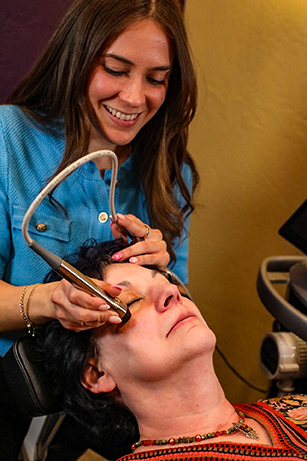
Forma-I: Radiofrequency Therapy for Blocked Glands
 Forma-I uses bipolar radiofrequency energy to deliver gentle, controlled warmth to the skin around your eyes and eyelids. That heat does a few useful things: it softens and helps release the thickened oil clogging the meibomian glands, calms inflammation in the surrounding tissue, and stimulates collagen production in the delicate skin of the eyelid area.
The goal is straightforward — get the oil glands flowing again so your tears hold their protective oily layer and stop evaporating prematurely. Treatment is applied externally to the eyelids and periorbital area, and it’s non-invasive.
Key Benefits of Forma-I Radiofrequency Therapy:
- Safely heats Meibomian glands to facilitate better tear flow.
- Tightens existing collagen in the skin’s dermal layer.
- Stimulates the creation of new collagen deep within the dermis.
- By opening clogged Meibomian glands, Forma-I enhances tear production and secretion, providing effective relief from dry eye symptoms while supporting overall eye health.
Lumecca-I: IPL Therapy for Inflammation
 Lumecca-I delivers targeted intense pulsed light (IPL) to the skin around the eyelids and face. IPL is particularly useful when inflammation is driving the dry eye — conditions like ocular rosacea, where abnormal blood vessels around the eyelids feed a cycle of chronic irritation and gland dysfunction.
The precise light pulses are absorbed by pigment and hemoglobin in the treated area, which helps reduce the inflamed vessels contributing to the problem, decreases the bacterial and Demodex mite load on the eyelids, and supports healthier meibomian gland function. For the right patient, breaking that inflammatory cycle can also reduce dependence on drops and medications.
Benefits of Lumecca-I IPL Therapy:
- Activates Meibomian Glands, making them more efficient.
- Decreases Demodex mites and bacteria on eyelids.
- Reduces blood vessel inflammation associated with ocular rosacea.
- Enhances tear quality and alleviates dry eye symptoms.
- Lumecca IPL is a comprehensive approach to improving eye and skin health, delivering relief and promoting long-term well-being.
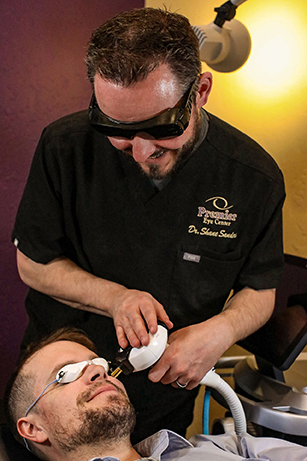
Many patients benefit from a combination of both therapies, since Forma-I and Lumecca-I address different pieces of the dry eye puzzle. Our doctors will recommend a treatment plan — typically a series of sessions — based on your evaluation.
Chronic dry eye isn’t just an annoyance. An unstable tear film degrades your vision quality, shortens comfortable contact lens wear, and is one of the factors that can complicate candidacy for LASIK and other vision correction procedures — treating the dry eye first often turns a marginal surgical candidate into a good one. Left unmanaged long enough, severe dry eye can damage the corneal surface itself. Getting ahead of it protects both your comfort and your vision.
Why Treating Dry Eye Matters Beyond Comfort
Chronic dry eye isn’t just an annoyance. An unstable tear film degrades your vision quality, shortens comfortable contact lens wear, and is one of the factors that can complicate candidacy for LASIK and other vision correction procedures — treating the dry eye first often turns a marginal surgical candidate into a good one. Left unmanaged long enough, severe dry eye can damage the corneal surface itself. Getting ahead of it protects both your comfort and your vision.
Frequently Asked Questions
It sounds backwards, but watery eyes are one of the most common dry eye complaints we hear. When the surface of your eye is irritated from dryness, it triggers reflex tearing — the eye’s emergency response to irritation. The problem is that these flood tears are mostly water, without the oily layer produced by healthy meibomian glands, so they don’t lubricate the eye or stay in place. They spill over, your eyes keep watering, and the underlying dryness never improves. If your eyes stream in the wind or water constantly while still feeling irritated, that pattern points toward dry eye — and specifically toward a tear quality problem, which is exactly what gland-focused treatments are designed to address.
Dry eye is a chronic condition, so “managed” is the honest word rather than “cured” — but managed well, it can fade into the background of your life instead of dominating it. The goal of treatment is to restore a stable, healthy tear film and keep it that way. For many patients, that means an initial series of in-office treatments to get the glands functioning again, along with sensible daily habits, and then periodic maintenance as needed. What we’d steer you away from is the endless-drops approach: artificial tears alone treat the symptom, not the cause, and meibomian gland dysfunction that goes unaddressed tends to progress. Earlier intervention generally means better long-term gland function.
Eye drops add moisture to the surface of the eye — helpful for temporary relief, but they don’t change why your eyes are dry in the first place. If your meibomian glands are blocked or inflamed, drops are a bucket under a leak. Forma-I and Lumecca-I work upstream of the symptom: radiofrequency warmth helps unblock the oil glands so your natural tears regain their protective oily layer, and IPL calms the inflammation that keeps the cycle going. Drops still have a place in most treatment plans, especially early on. But for chronic dry eye rooted in gland dysfunction, treating the glands themselves is what actually moves the needle.
Both therapies are non-invasive and performed right in our Prescott office. Nothing touches the eye itself — the energy is applied to the skin of the eyelids and the area around the eyes. Forma-I feels like gentle, controlled warmth; Lumecca-I involves brief pulses of light to the treated skin. There are no incisions, no injections, and no prolonged recovery, so patients go about their day afterward. Most treatment plans involve a series of sessions spaced out over several weeks, and your doctor will map out the specifics after evaluating your glands and tear film. If you have questions about what to expect for your particular case, that’s exactly what the initial consultation is for.
